
When walking through a home, a broken or cracked electrical outlet cover might seem like a minor cosmetic issue—something easy to overlook or put on a future to-do list. In reality, damaged outlet covers deserve prompt attention. While small and inexpensive, they play an important role in protecting both people and the electrical system of a home.
Why Outlet Covers Matter
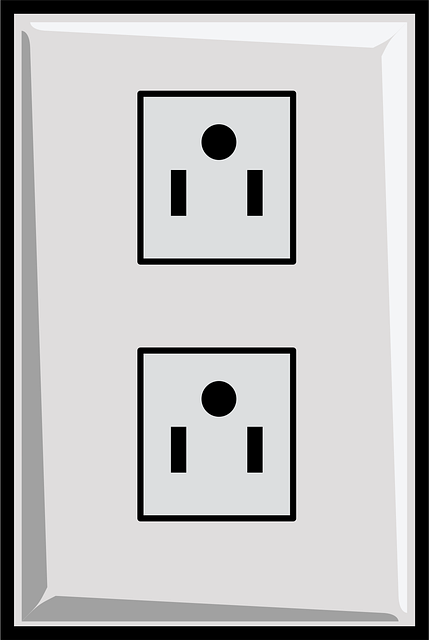
Outlet covers are designed to act as a protective barrier between occupants and energized electrical components. When intact, they help prevent accidental contact with wiring, terminals, or metal parts that could cause electrical shock. A cracked, loose, or missing cover compromises that barrier, increasing the risk of injury—especially for children and pets who may touch or tamper with exposed outlets.
Beyond personal safety, outlet covers also help keep dust, debris, and moisture out of electrical boxes. Over time, foreign materials entering an outlet can contribute to overheating, corrosion, or poor electrical connections, all of which can lead to more serious problems.
Common Causes of Damage
Outlet covers can crack for a variety of reasons. Over-tightened screws, aging plastic, impact from furniture, or repeated stress from plugs being forced in at an angle are common causes. In garages, basements, and exterior locations, temperature changes and moisture exposure can accelerate wear and deterioration.
Regardless of the cause, visible damage is a sign that the cover is no longer doing its job effectively.
Potential Risks of Ignoring the Issue
Leaving a broken outlet cover unfixed can create multiple hazards. Exposed electrical components increase the chance of shock. In some cases, gaps around a damaged cover may allow arcing if a plug is loose, which can generate heat. While rare, electrical arcing is a known fire risk when conditions are right.
In addition, damaged covers can be a red flag that an outlet itself may be loose or improperly secured inside the wall. A loose outlet can strain wiring connections behind the wall, leading to further electrical concerns that are not immediately visible.
An Easy and Affordable Fix
The good news is that replacing an outlet cover is typically simple and inexpensive. Standard replacement covers are widely available and come in a variety of materials, including durable plastic and metal. When replacing a cover, it’s important to ensure the outlet is securely mounted and that the new cover fits properly without cracking when tightened.
If an outlet appears damaged, loose, or warm to the touch, further evaluation by a qualified electrician is recommended.
The Bottom Line
While a cracked or broken outlet cover may seem insignificant, it serves an important safety function. Addressing this small issue promptly helps reduce the risk of shock, protects the electrical system, and contributes to the overall safety and condition of the home. In home maintenance, it’s often the small details that make the biggest difference.
Recent Comments