
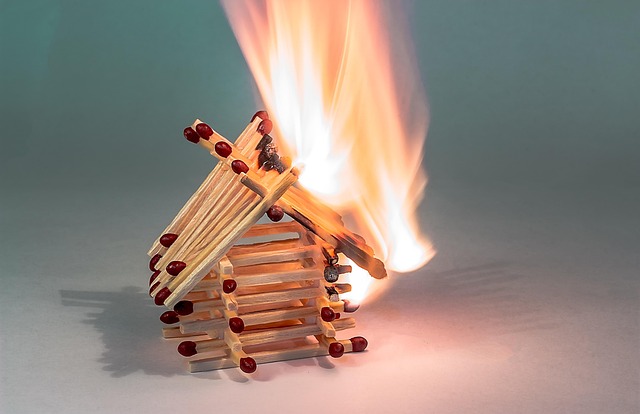
Modern houses are often seen as safer and more efficient than their older counterparts. Improved materials, better insulation, and advanced electrical systems all contribute to that perception. Yet, many fire risks I encounter are not dramatic or obvious—they’re quiet, overlooked conditions that homeowners live with every day, unaware of the danger. Understanding these hidden hazards is an important step toward keeping a home safe.
Overloaded Electrical Systems
Today’s homes rely on far more electricity than houses built even a few decades ago. High-wattage appliances, multiple televisions, home offices, and electric vehicle chargers can strain electrical systems that were never designed for that level of demand. Overloaded circuits, power bars chained together, and extension cords used as permanent wiring are common contributors to electrical fires. Breakers that trip frequently or outlets that feel warm should never be ignored.
Improperly Installed or Modified Wiring
Renovations and DIY projects can introduce serious risks when electrical work isn’t done correctly. Loose connections, undersized wires, or improper splices hidden behind walls can overheat over time. These issues often go unnoticed until there is visible damage—or worse. Even newer homes are not immune if shortcuts were taken during construction or later upgrades.
Heating Equipment and Clearance Issues
High-efficiency furnaces, space heaters, and fireplaces are generally safe when installed and maintained properly. Problems arise when clearances are compromised. Storage placed too close to furnaces, combustible materials near exhaust vents, or debris buildup around heating equipment can all increase fire risk. In colder climates, heating systems work hard for long stretches, making regular inspection and cleaning especially important.
Dryer Vents and Lint Accumulation
Dryer-related fires remain one of the most preventable hazards. Lint buildup inside the dryer vents restricts airflow, causing too much heat. Long or improperly routed venting, crushed ducts, and vents that terminate inside the building envelope rather than outdoors are frequent issues. Regular cleaning of both the lint trap and venting system is essential.
Garages as High-Risk Zones
Attached garages often contain fuel, solvents, batteries, and gas-powered equipment. Add charging tools, freezers, or heaters, and the fire load increases quickly. Improper storage, damaged electrical cords, or unprotected light fixtures can all turn a minor issue into a serious event. Fire separation between the garage and living space is also critical and often compromised.
Smoke Alarms That Don’t Do Their Job
Smoke alarms are only effective if they are present, properly located, and working. Dead batteries, expired units, or missing alarms—especially in bedrooms and lower levels—are still surprisingly common. Testing alarms regularly and replacing them according to manufacturer recommendations is one of the simplest ways to improve home safety.
Fire hazards don’t always announce themselves. Many develop slowly and quietly, hidden behind walls, ceilings, and everyday routines. A careful, informed approach to home maintenance can make all the difference in preventing a situation that no homeowner ever wants to face.
Recent Comments